 A Canadian Foundation
A Canadian Foundation
A Canadian Foundation
Batawa, Ontario


Please describe your garden, is it raised beds, in the ground, do you have a greenhouse?
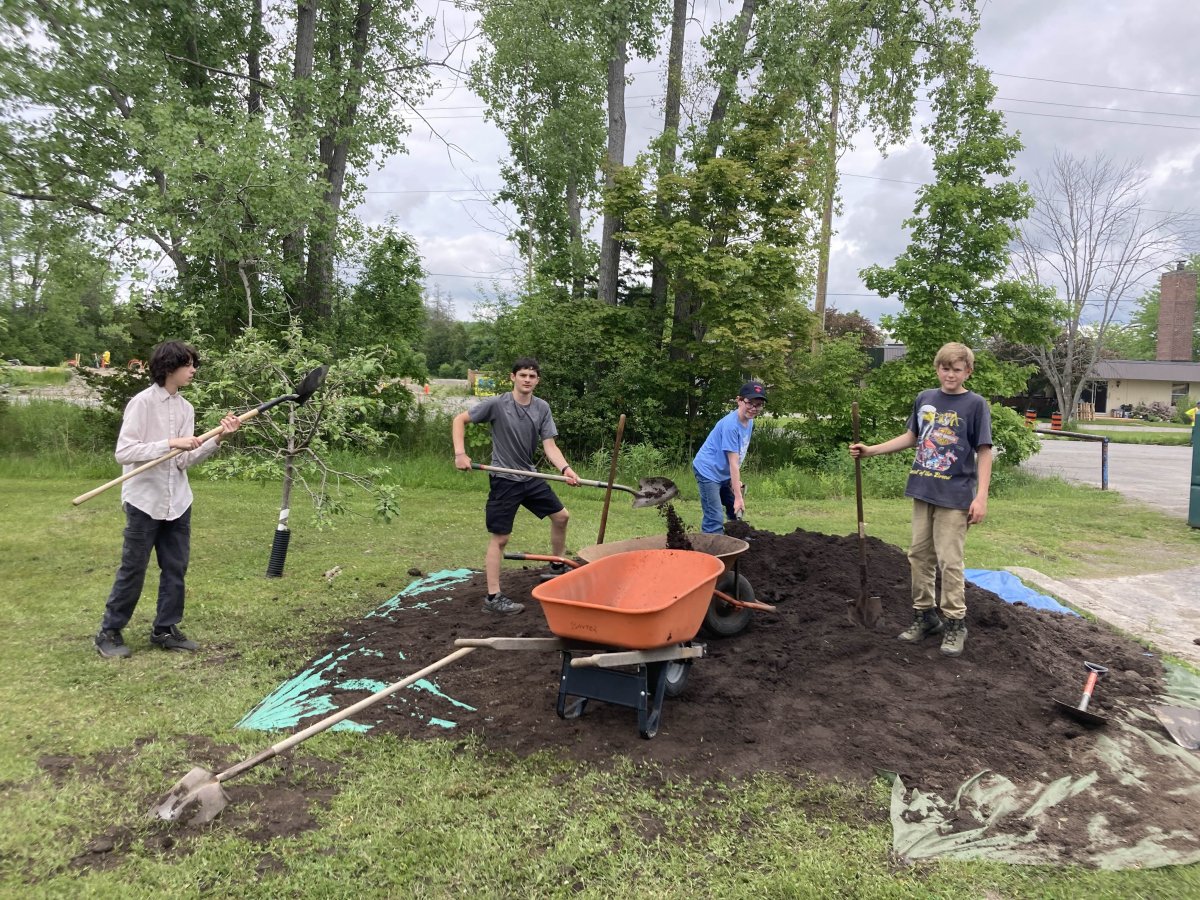
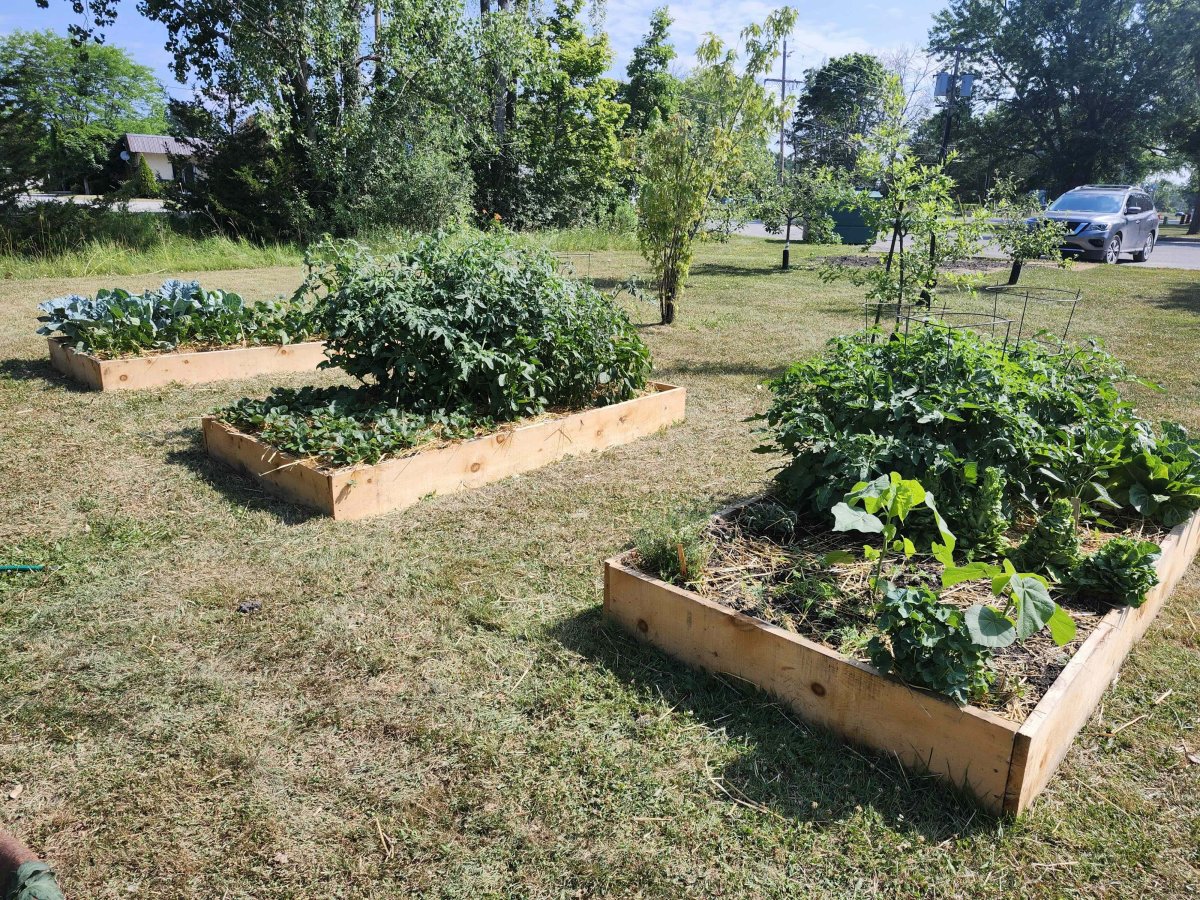
Our school garden includes three raised beds (8 ft x 4 ft) and one ground-level garden patch. The raised beds are located in a sunny area of our schoolyard, and each one is designed for easy student access and hands-on learning. We do not currently have a greenhouse, but we’re exploring the idea for future growing seasons.
What vegetables/fruit do you grow in your garden? What do you have a difficult time growing in your school garden?
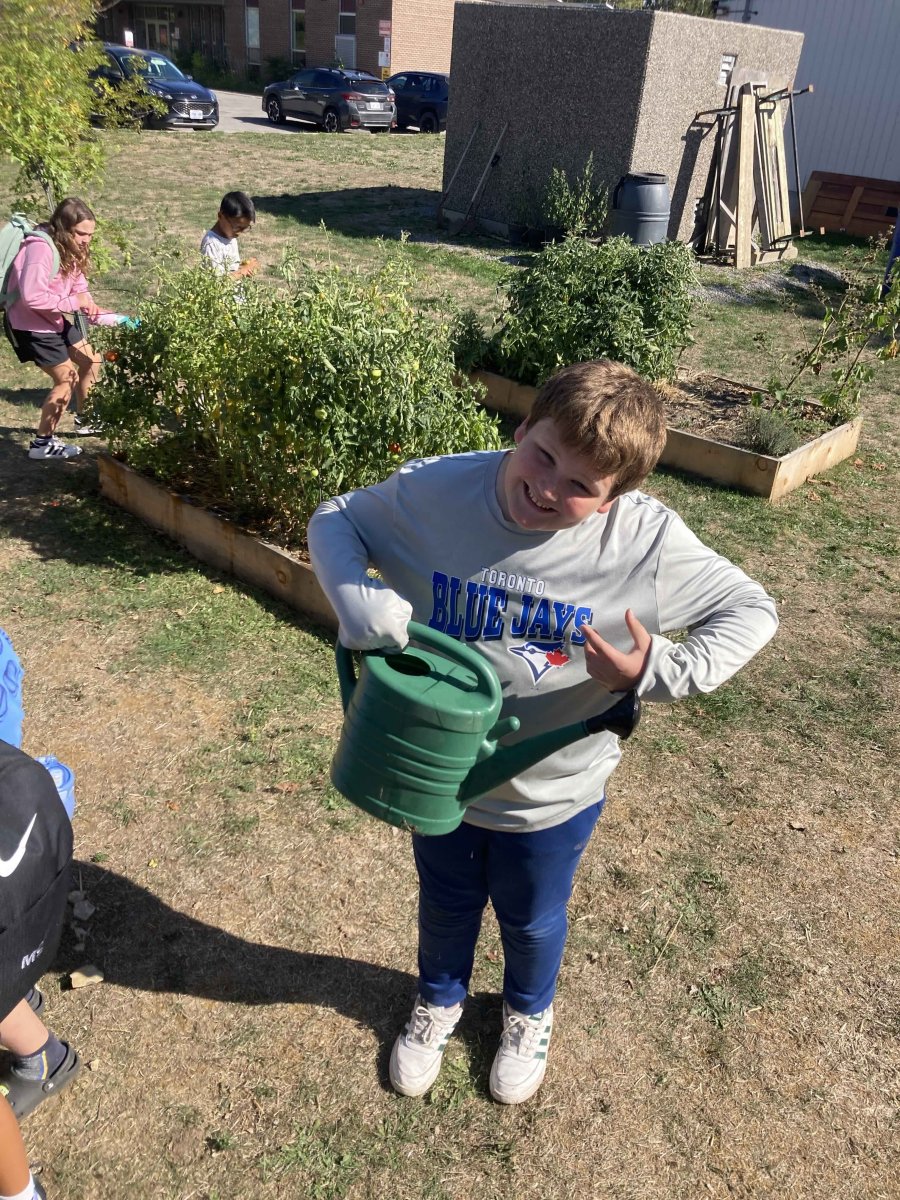
This year, we grew a variety of vegetables and herbs including tomatoes, lettuce, peppers, broccolini, Brussels sprouts, onions, eggplant, spaghetti squash, pie pumpkins, sage, thyme, strawberries, borage, and nasturtium.
We are still learning which plants do best in our soil and with our sun exposure. Our pumpkins did not do as well with our very hot summer.
Why did your school decide to add a school garden?
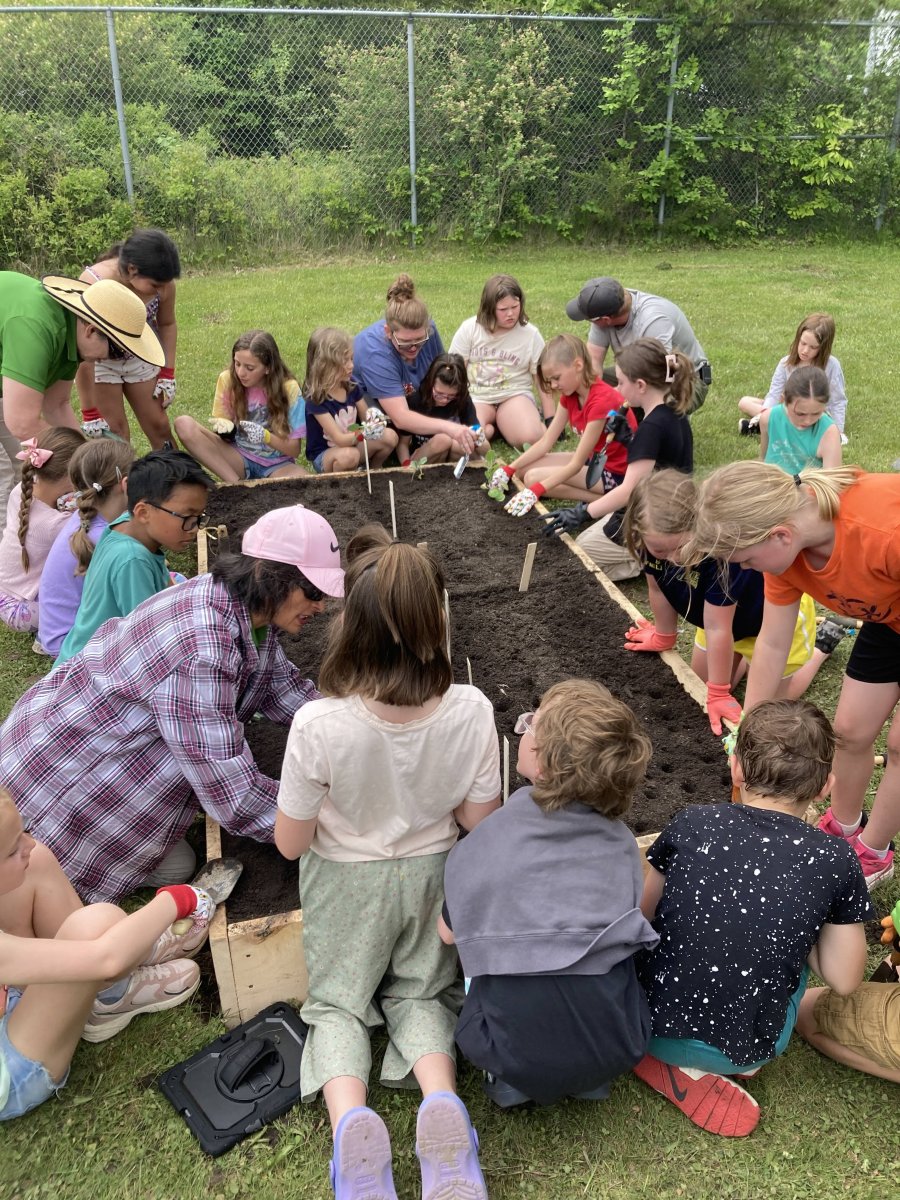
We wanted to create a hands-on outdoor learning space where students could connect with nature, learn about sustainability, and see the results of their care and effort. The garden also supports our school’s focus on community building, environmental stewardship, and healthy living.
What classes participate in the garden, what subjects are taught in the garden?
All classes are welcome to participate! Teachers use the garden to explore topics such as plant life cycles, habitats, data collection, measurement, and nutrition. It’s also used to support art, writing, and social studies projects.
Who manages the garden day to day? Who manages the garden over the Summer break?
During the school year, the garden is managed by teachers and students, with support from a garden committee of staff and parent volunteers.
Over the summer, we’ve set up an online volunteer schedule for families and community members to sign up for watering, weeding, and general maintenance. This helps keep the garden thriving until students return in the fall.
What do you do with the harvest from your garden? Do you have a harvest celebration? Do you use it in the cafeteria, or culinary classes? Do you donate some of the produce?
The produce is primarily used for educational purposes, allowing students to see, taste, and learn from what they’ve grown. We plan to use some of the harvest in classroom cooking activities. Any surplus over the summer was shared with students and their families or community food programs. We hope to add a harvest celebration in future years.
Do you have community involvement? Do you have parents and volunteers? Have been able to source other funding to help your garden grow?
Yes! Our garden is truly a community effort. We have wonderful parent volunteers and strong local support from Brambleberry Farms, Scott’s Haulage, and Quinte West Community Gardens, who donated plants, soil, and supplies.
Alongside our grant, we also received school funding and donations.
What are your future plans for the school garden?
We hope to expand the garden program by adding pollinator-friendly plants, a composting station, and possibly a small greenhouse or cold frame to extend our growing season. We’d also like to create more student-led garden projects, including signage, art, and data tracking.
Any words of encouragement/tips for a school starting a school garden?
Start small and focus on building community first to really make it a shared project between students, staff, and families. Choose hardy, low-maintenance plants as even a few raised beds have provided lots of learning opportunities.
Nutrients for Life is supported by:























The translation of our website has been made possible by the Government of Canada