 A Canadian Foundation
A Canadian Foundation
A Canadian Foundation
Saskatoon, Saskatchewan


Please describe your garden, is it raised beds, in the ground, do you have a greenhouse?
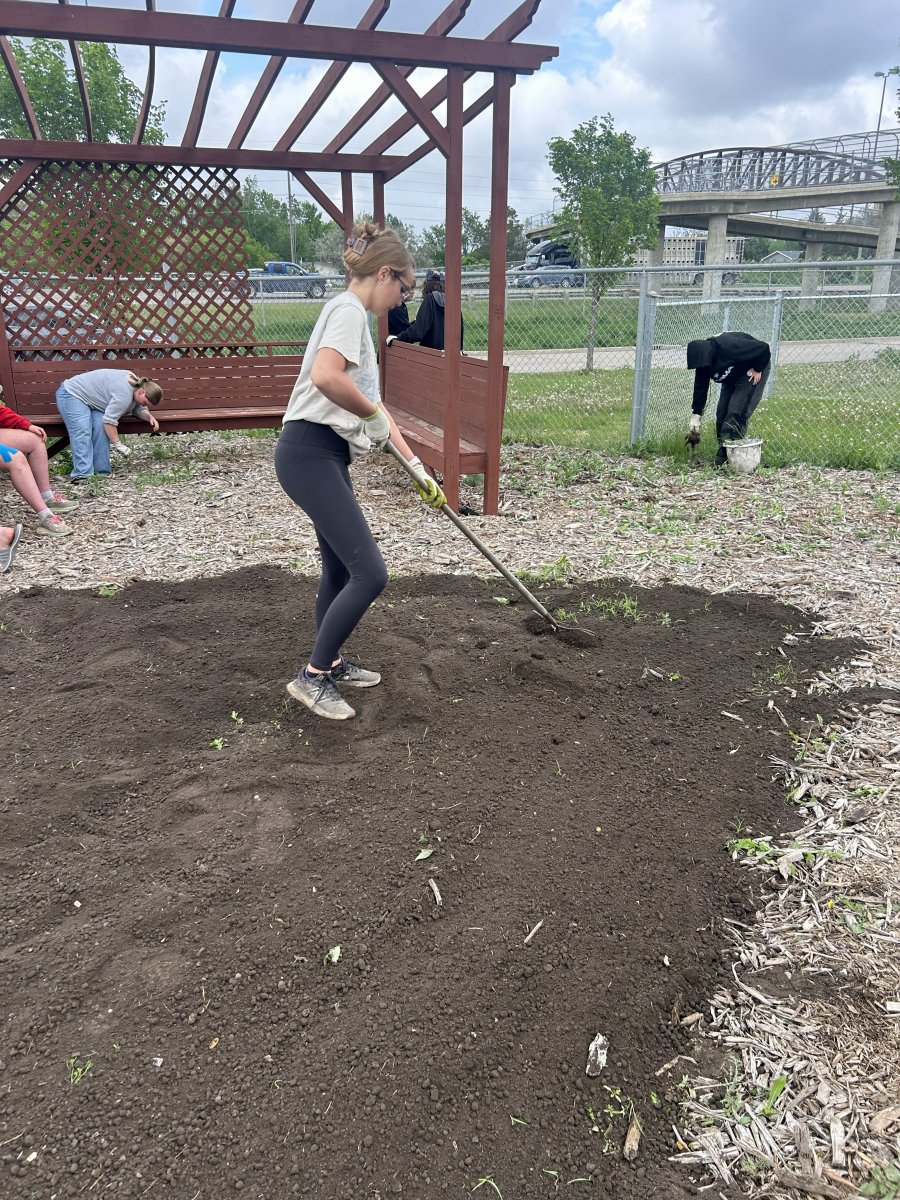
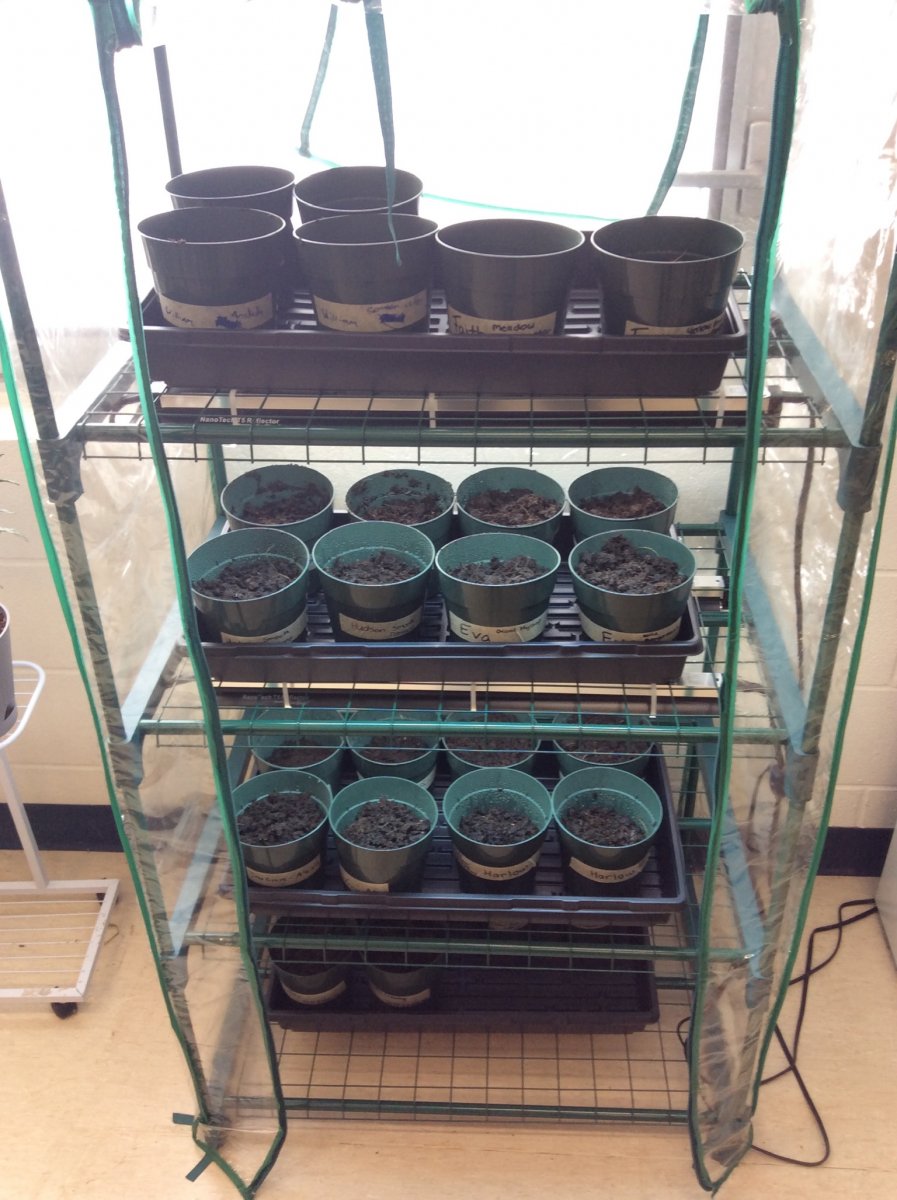
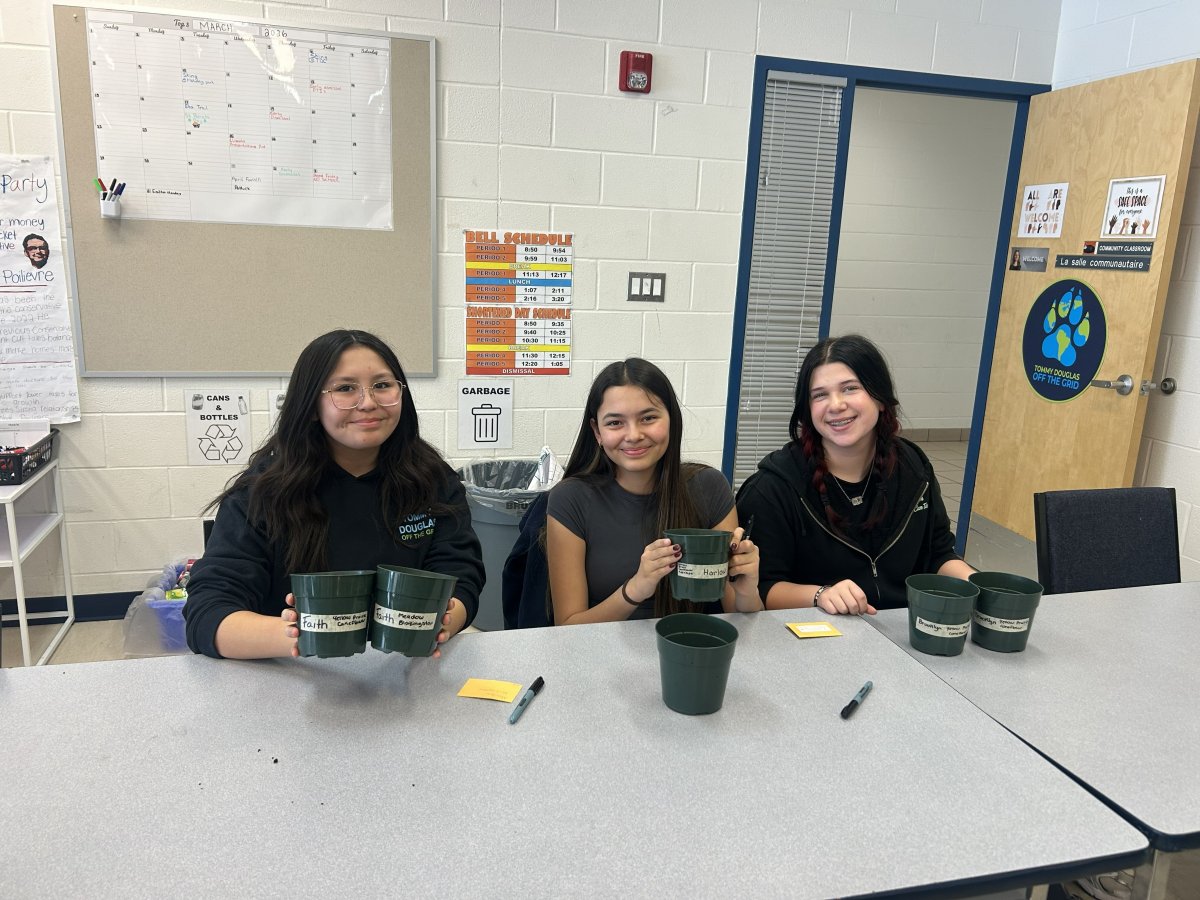
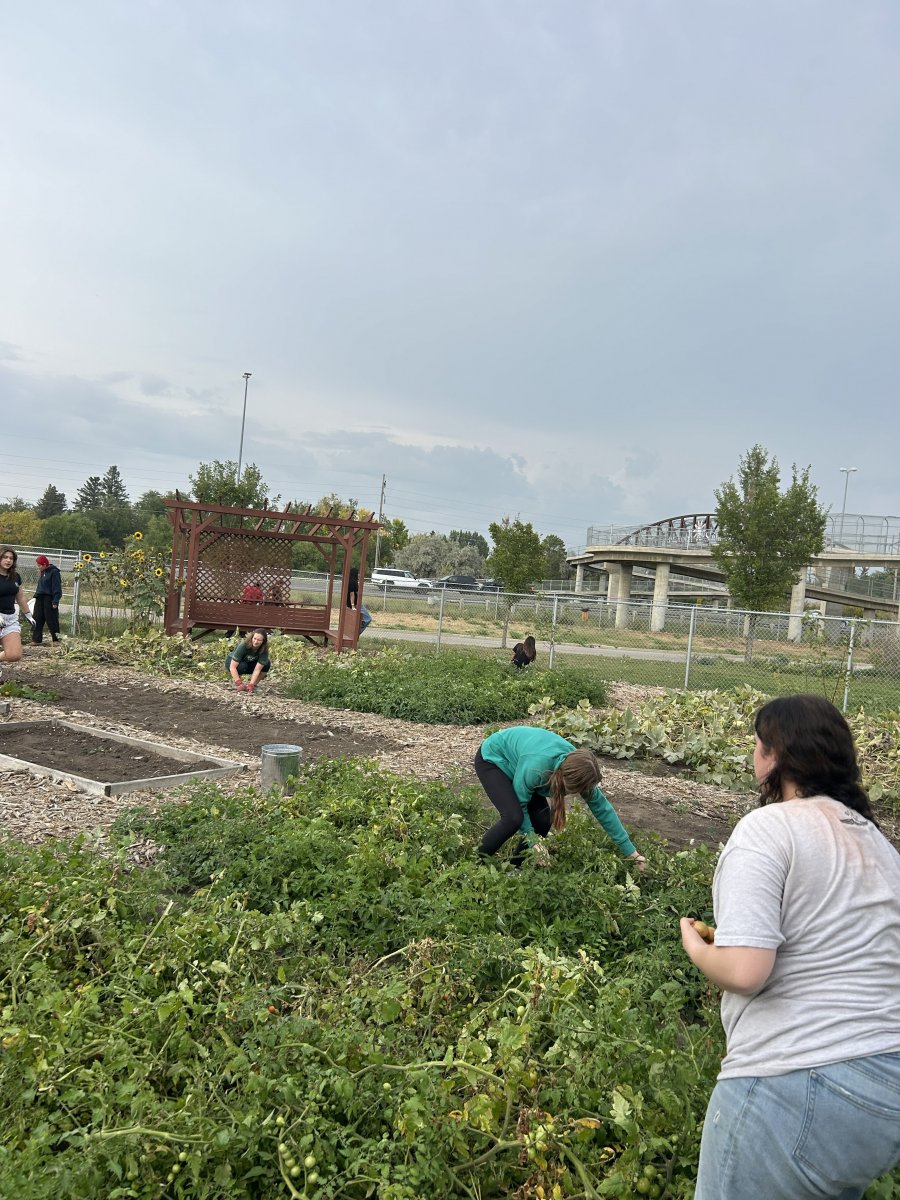
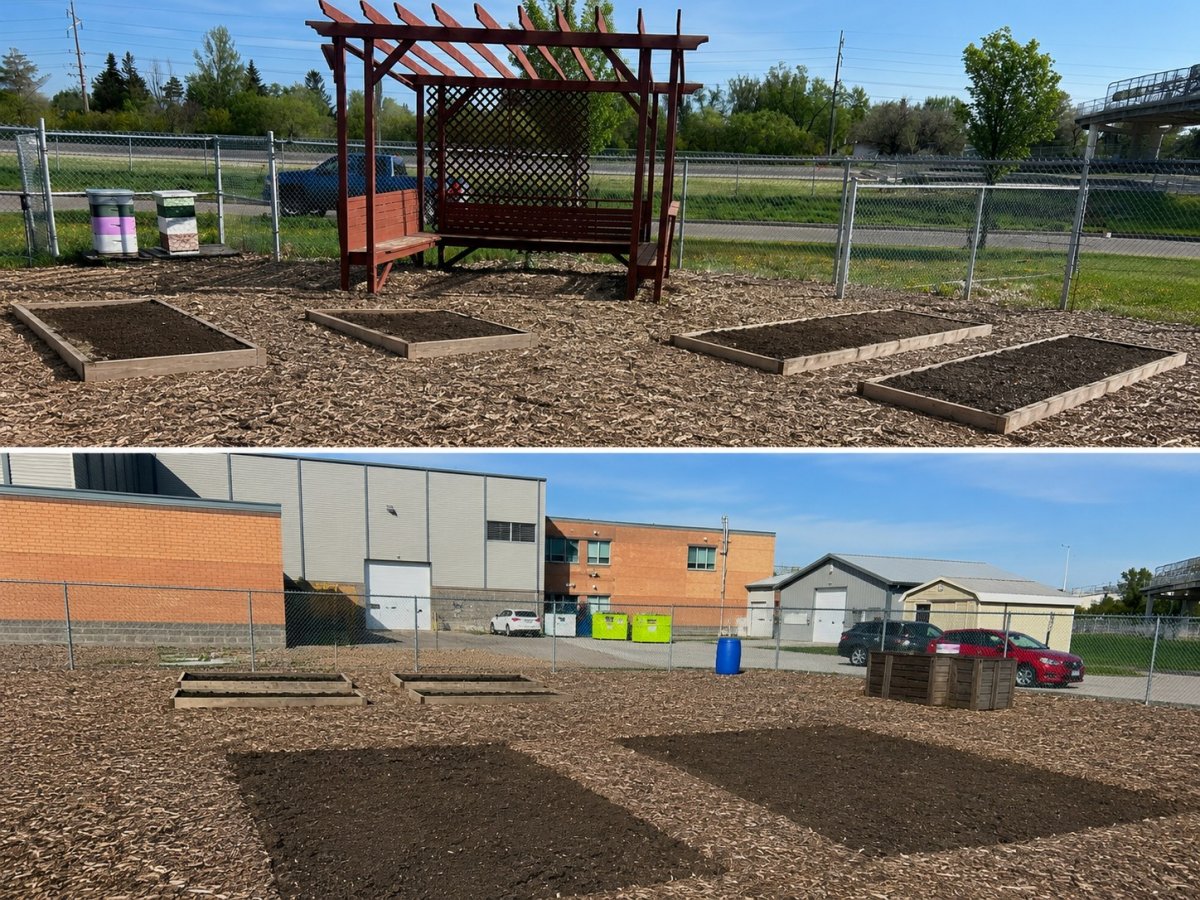
Our garden at Tommy Douglas is an outdoor, school-based garden made up of raised garden beds and in ground garden bed. The raised beds make the space easier for students to access, maintain, and learn from throughout the growing season. Students help with planting, watering, weeding, harvesting, and learning about where food comes from.
At this time, we do not have a greenhouse. Our garden is primarily used as a hands-on learning space where students can connect with food, nature, sustainability, and community.
What vegetables/fruit do you grow in your garden? What do you have a difficult time growing in your school garden?
This year, our school garden focused on growing resilient root vegetables and hardy plants that can thrive in our climate and support hands-on student learning. We planted pumpkins, squash, carrots, potatoes, rhubarb, zucchini, radishes, wildflowers, and dill.
In the past, we have had difficulty growing some vegetables, especially cucumbers and carrots, because of mice and other small animals getting into the garden. Carrots have been a challenge for us before, but this year our raised garden beds gave us the opportunity to try planting them again in a more protected and manageable space. We are continuing to learn what grows best in our school garden and how to make the garden more successful each year.
Why did your school decide to add a school garden?
Our school decided to add a school garden because we wanted to create a hands-on learning space where students could connect with food, nature, and the environment. The garden gives students the opportunity to learn where food comes from, how plants grow, and how to care for living things.
At Tommy Douglas, the garden also supports learning around sustainability, healthy eating, responsibility, and community. Students are able to take part in planting, watering, weeding, and harvesting, which helps them build pride and ownership in the space. The garden has become a meaningful way to bring learning outside the classroom and give students real-life experiences connected to science, wellness, and environmental education.
What classes participate in the garden, what subjects are taught in the garden?
Currently, our school garden is mainly used by our grade 9 Off the Grid and grade 10 Environmental Science classes. These classes use the garden as an outdoor learning space to explore topics connected to sustainability, ecosystems, food production, plant growth, climate, and environmental stewardship.
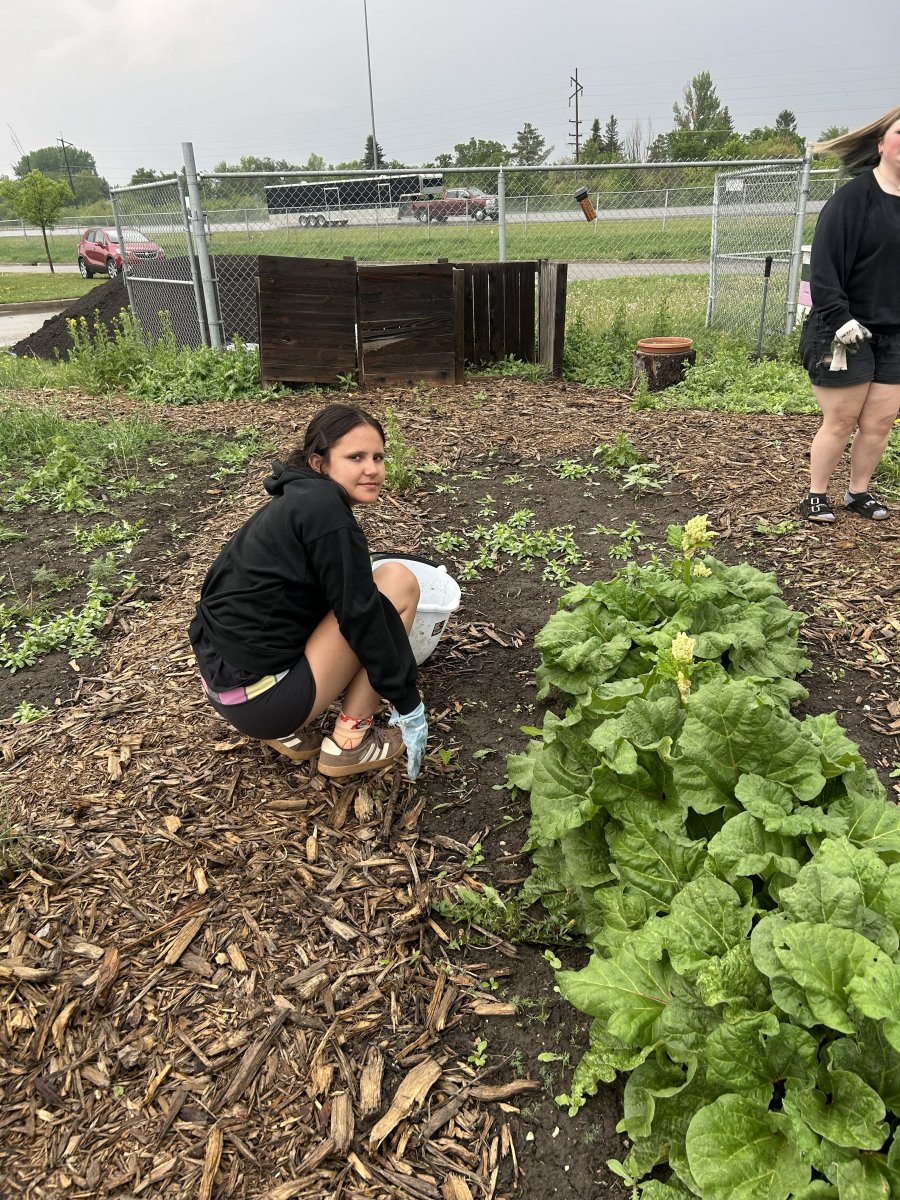
In the garden, students learn through hands-on experiences such as planting, watering, weeding, maintaining the garden beds, and observing how different plants grow over time. The garden allows students to connect classroom learning to real-life environmental and wellness practices.
Next school year, we hope to expand garden participation to include Foods classes so students can learn more about food production, healthy eating, and how food moves from garden to table. We are also interested in involving behaviour support programming, using the garden as a calm, meaningful space that supports student mental health, responsibility, and connection to nature.
Who manages the garden day to day? Who manages the garden over the Summer break?
The garden is managed day to day by our Off the Grid students and teachers. They help with regular tasks such as watering, weeding, checking plant growth, maintaining the raised beds, and making sure the garden is cared for as part of their outdoor and environmental learning.
Over the summer break, we have recently expanded our garden care to include community members and Elders from around the school community. Their support helps ensure the garden continues to be watered, maintained, and cared for when students and staff are away. This has helped make the garden feel more connected to the wider community and has strengthened our goal of creating a shared, meaningful learning space.
What do you do with the harvest from your garden? Do you have a harvest celebration? Do you use it in the cafeteria, or culinary classes? Do you donate some of the produce?
The harvest from our school garden is used in a variety of meaningful ways. Students in the class take some of the produce and use it for hands-on learning activities such as canning and preserving. This helps students learn practical food skills, understand food production, and see the full process from growing to harvesting to preparing food.
We also donate produce from the garden back to our school community and food program to support students and families who may be in need. This helps make the garden not only a learning space, but also a way to give back and strengthen our school community.
Do you have community involvement? Do you have parents and volunteers? Have been able to source other funding to help your garden grow?
Yes, we have community involvement in our school garden. This year, we have begun expanding the care of the garden beyond just students and teachers by involving community members and Elders from around the school community. Their support has been especially helpful over the summer months when students and staff are not regularly in the building.
We are continuing to build parent and volunteer involvement as the garden grows. Our goal is to make the garden a shared community space where students, staff, families, Elders, and community members can all contribute and feel connected.
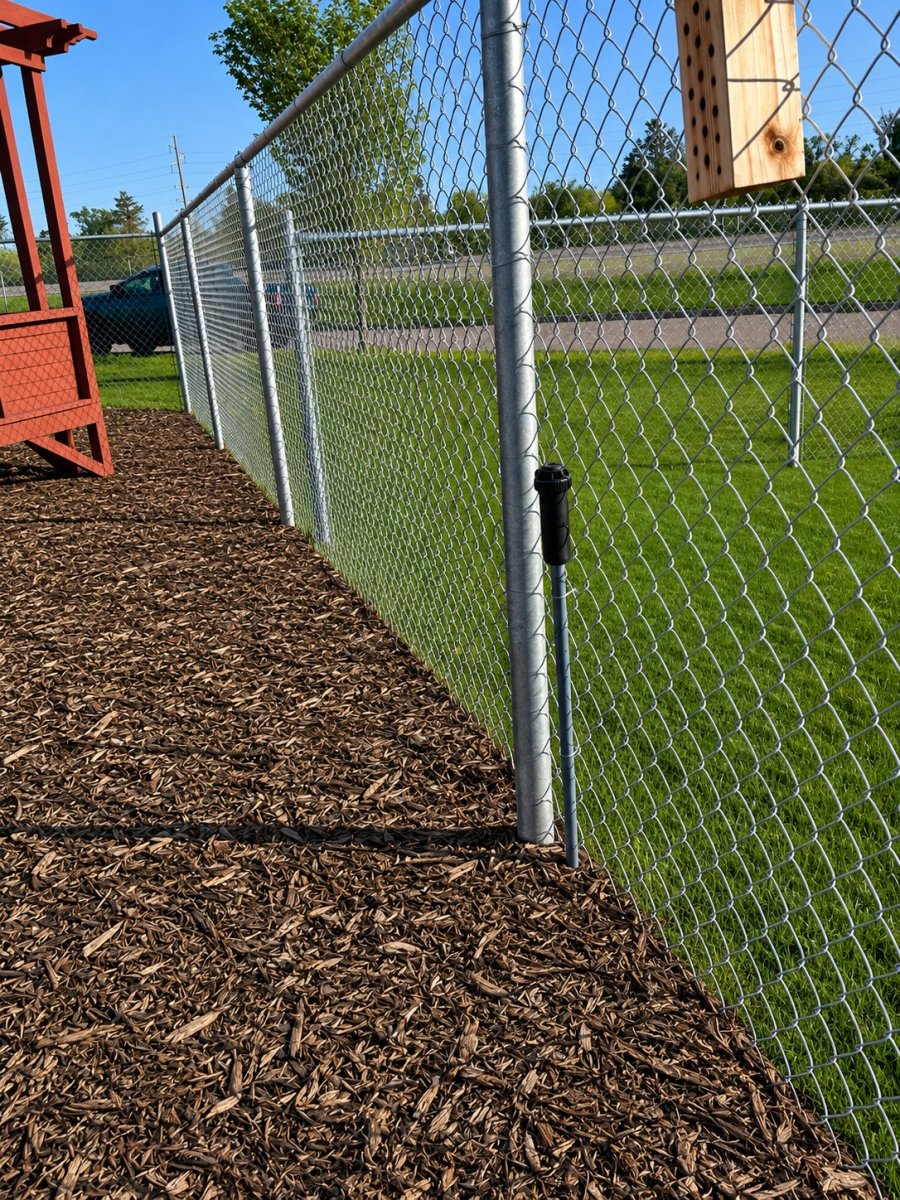
At this time, the grant has been our main source of funding, and it has helped us make important improvements such as adding irrigation, purchasing soil, and buying garden tools. We hope to continue sourcing additional funding and community support in the future so we can expand the garden, grow more food, and create more learning opportunities for students.
What are your future plans for the school garden?
Our future plans for the school garden are to continue expanding it as a meaningful outdoor learning space for students, staff, and the school community. We hope to grow a wider variety of vegetables, herbs, flowers, and resilient plants that are well suited to our climate and school garden environment.
Next school year, we would like to expand garden involvement beyond Off the Grid and Environmental Science classes to include Foods classes, so students can learn more about food production, cooking, canning, preserving, and the full process from garden to table. We are also interested in involving behaviour support programming, using the garden as a calm and positive space that supports student mental health, responsibility, and connection to nature.
We would also like to expand Indigenous Elder involvement in the garden. With guidance from Elders, we hope to grow traditional plants such as sage and tobacco that can be used respectfully for cultural ceremonies, teachings, and gift offerings at the school. This would help students build a deeper connection to land-based learning, culture, respect, and community.
We plan to continue improving the garden infrastructure, including maintaining the irrigation system, adding more soil and tools as needed, and possibly expanding our raised garden beds. We also hope to strengthen community involvement by continuing to work with families, volunteers, community members, and Elders to care for the garden, especially during the summer months.
Overall, our goal is to make the garden a sustainable, welcoming, and community-focused space where students can learn practical skills, build pride in their school, give back to others, and develop a deeper connection to food, land, culture, and the environment.
Any words of encouragement/tips for a school starting a school garden?
Our biggest words of encouragement for a school starting a garden are to start small, be patient, and let the garden grow over time. A school garden does not need to be perfect (or big) right away. It is a learning space, and some of the best lessons come from trying new things, making mistakes, and learning what works best for your school community. We would encourage schools to choose plants that are resilient and manageable, especially in the first few years. Raised garden beds, good soil, basic tools, and a simple watering system can make a big difference. It is also helpful to involve students as much as possible so they feel ownership and pride in the garden. Building community support is also important. Teachers, students, families, volunteers, community members, and Elders can all play a role in helping the garden succeed. A school garden can become much more than a place to grow food. It can support hands-on learning, mental health, cultural learning, environmental education, healthy eating, and connection to the land. Most importantly, celebrate the small wins. Every seed planted, every vegetable harvested, and every student who feels connected to the garden is a success.
Nutrients for Life is supported by:























The translation of our website has been made possible by the Government of Canada