 A Canadian Foundation
A Canadian Foundation
A Canadian Foundation
Winnipeg, Manitoba


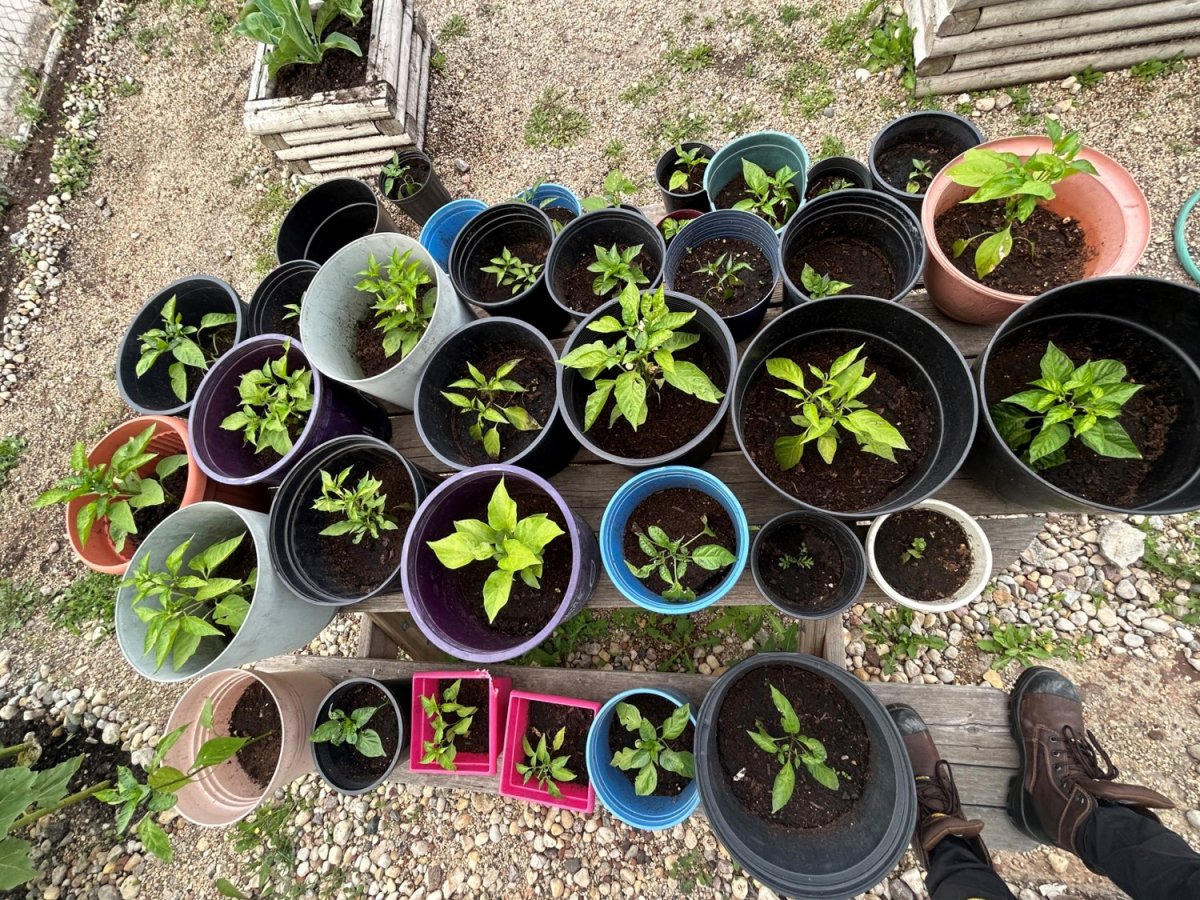
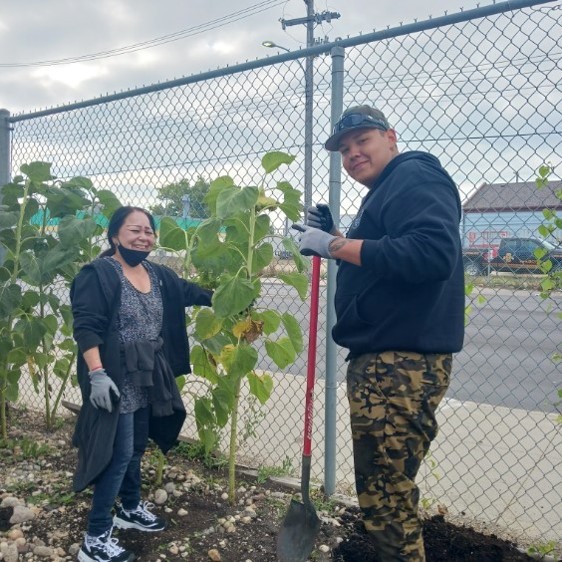
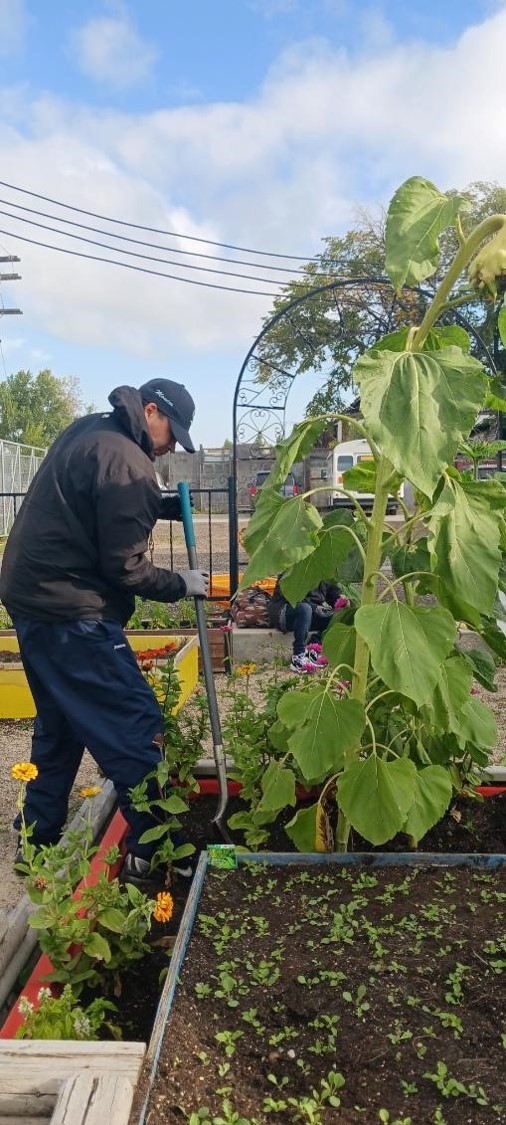
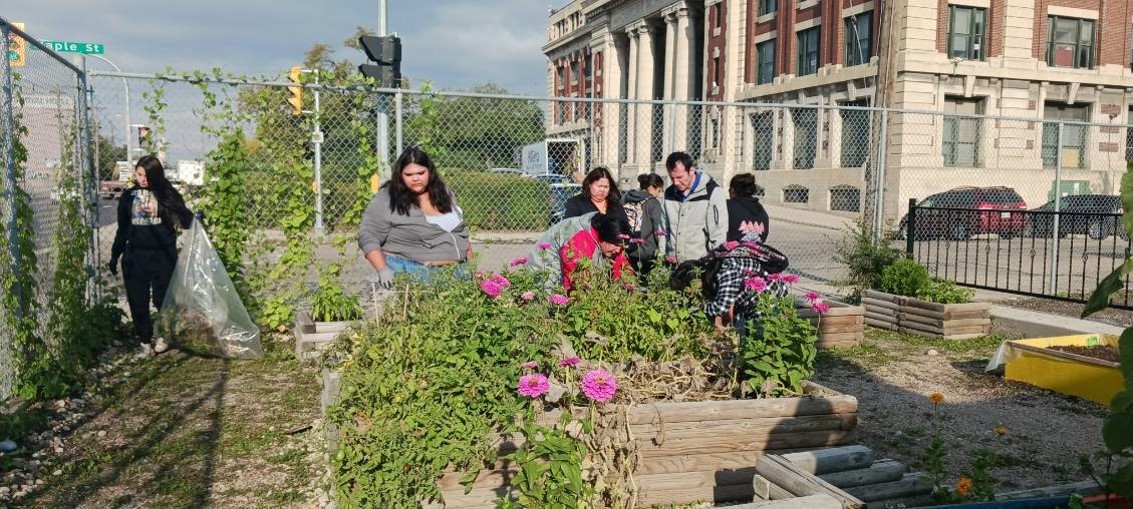
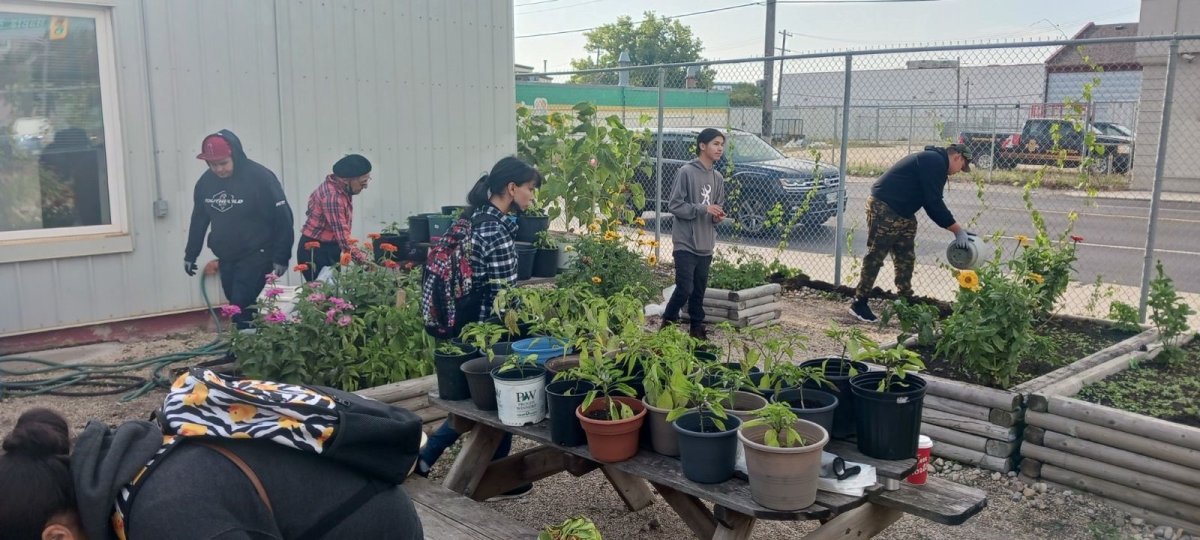
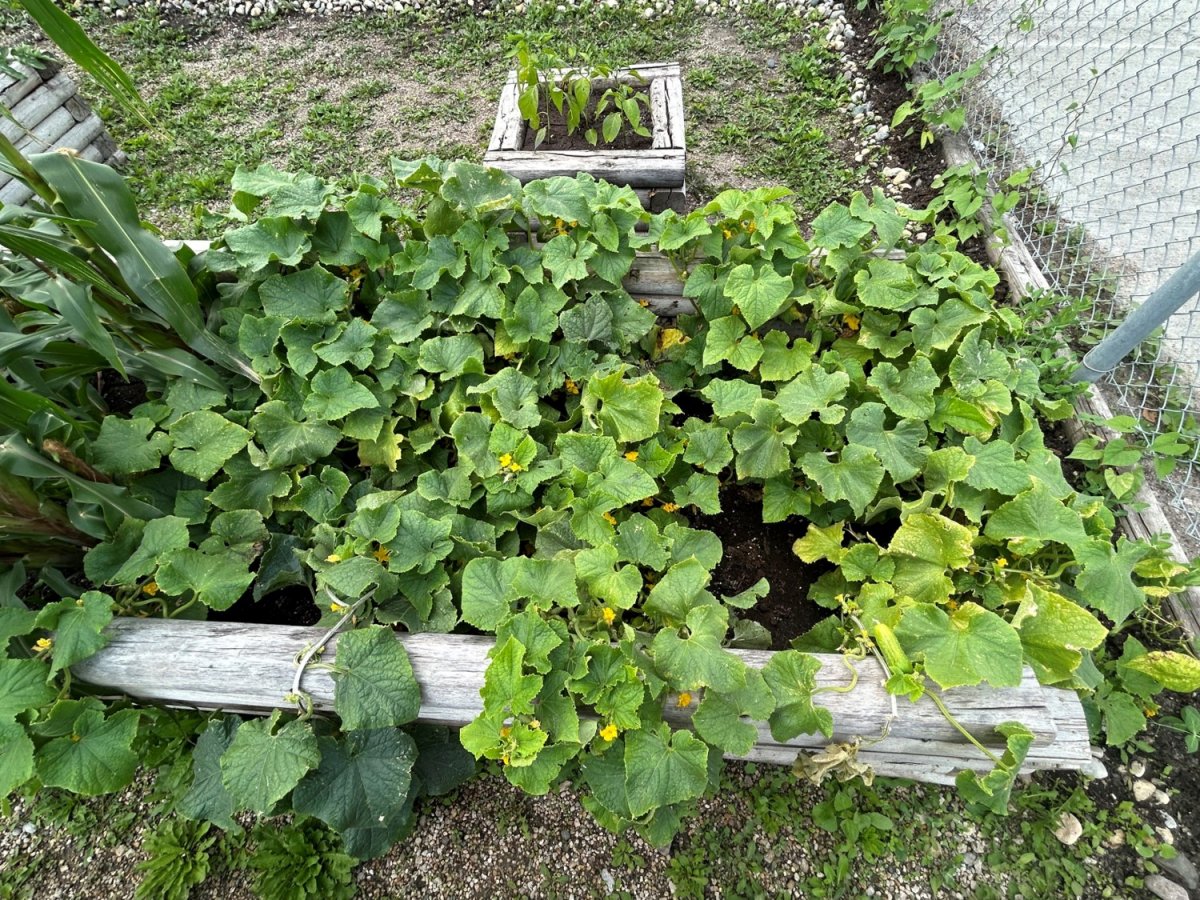
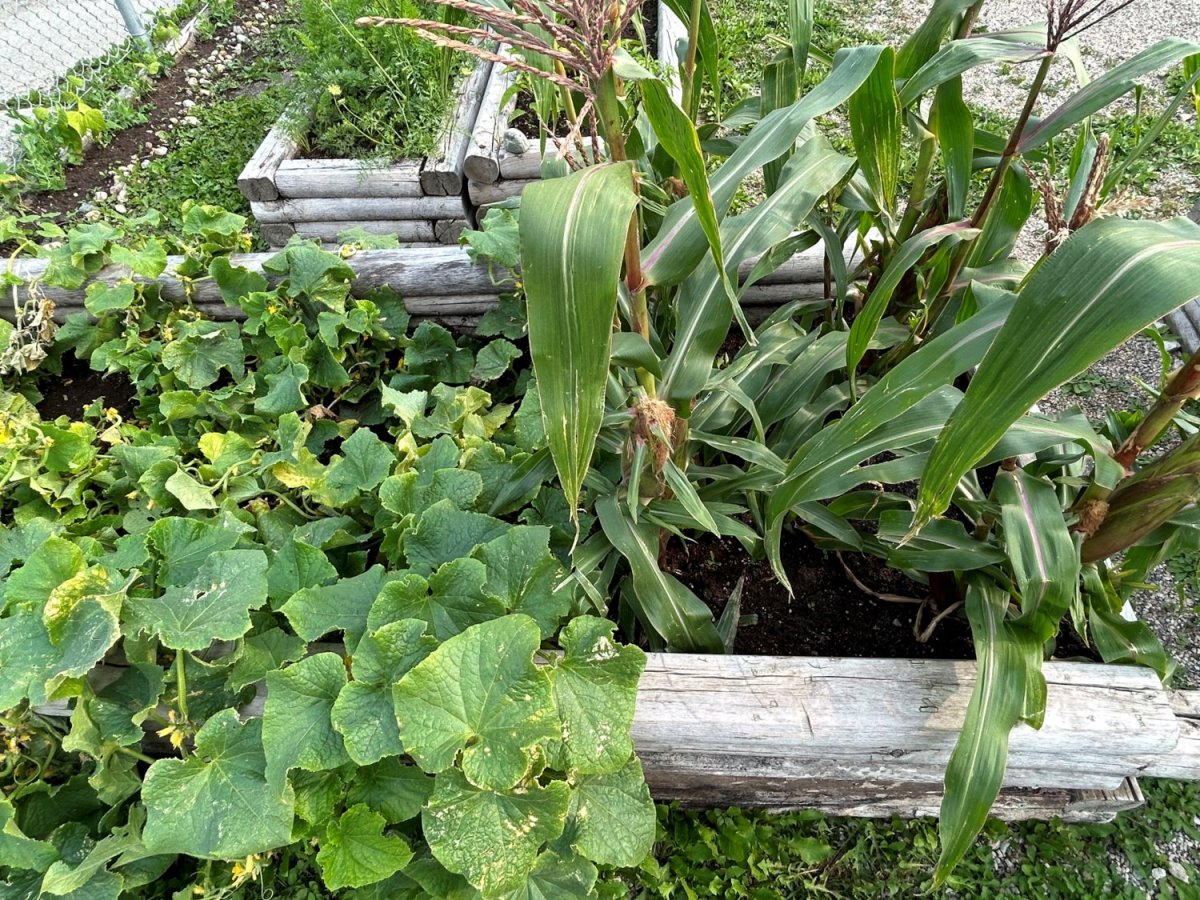
Please describe your garden, is it raised beds, in the ground, do you have a greenhouse?
We purchased building supplies to make beds, we needed building materials and tools. We also purchased gardening tools, seeds, soil, watering cans, pots and fertilizer.
What grade levels worked in the garden and did you or another teacher link some of your curriculum outcomes to the garden?
The Neeginan Learning and Literacy Centre and Upgrading Program are the two programs that maintain and work in our learning garden. The activities are hands on and interactive as they worked together to maintain the garden. They are involved through every process from planning the seeds, watering, maintenance to harvesting. The students also got to participate in cooking classes when they learned techniques in the kitchen such as blanching vegetables and participated in various pickling workshops as well.
Various subjects were also woven into the Garden Centre activities such as Science, when students planted a Three Sisters Garden where they learned how the plants worked together and through those interactions are able to grow, Math through the cooking activities and were able to get some physical activity through engagement in garden-related physical activities.
These activities also incorporated essential skills such as problem solving, numeracy, working with others and oral communication.
What vegetables/fruit do you grow in your garden? What do you have a difficult time growing in your school garden?
Detroit dark red beets
Sweet corn – Sunny days Hybrid
Tomatoes – Cherry, Bush, Pickling, Steak
Potatoes
Corn
Carrots
Purple turnips
Spinach
Kale
Lettuce – Black Seeded Simpson
Pumpkin – Jack-O-Lantern, Big moon
Cauliflower
Broccoli
Cabbage
Hot Peppers
Jalapenos
Chili Peppers
Habanero Peppers
Cucumbers
Pickle Bush
Yellow Beans – Golden Wax
Pinto Beans
Peas – Sugar Daddy
Heavenly Peas
Bunching Onions
Radishes – Crispy Crunch
Eggplant
Watermelon
Melons
Squash – Winter/Summer
Parsley
Rosemary
Oregano
Basil
Thyme
Dill
Sunflowers – Fire catcher, Mammoth
Sweet pea Galaxy mix
Nasturtium
Cardinal Climber
Oriental poppy
Alyssum Carpet of snow
Zinnia
Snap Dragon Dwarf mix
What classes participate in the garden, what subjects are taught in the garden?
The Neeginan Learning and Literacy Centre and Upgrading Program are the two programs that maintain and work in our learning garden. The activities are hands on and interactive as they worked together to maintain the garden. They are involved through every process from planning the seeds, watering, maintenance to harvesting. The students also got to participate in cooking classes when they learned techniques in the kitchen such as blanching vegetables and participated in various pickling workshops as well.
Various subjects were also woven into the Garden Centre activities such as Science, when students planted a Three Sisters Garden where they learned how the plants worked together and through those interactions are able to grow, Math through the cooking activities and were able to get some physical activity through engagement in garden-related physical activities.
These activities also incorporated essential skills such as problem solving, numeracy, working with others and oral communication.
Who manages the garden day to day? Who manages the garden over the Summer break?
Our Healthy Living Program Project worker takes care of the garden on a day-to-day basis with the help of students who come out and water it with her every morning. Over the summer we have students till the end of July who assist in the garden, and students who live in our student housing help over the month of August.
What do you do with the harvest from your garden? Do you have a harvest celebration? Do you use it in the cafeteria, or culinary classes? Do you donate some of the produce?
We use the harvest from the garden to make lunches and snacks for our students which allows us to promote a sustainable and healthy lifestyle while integrating practical life skills. We invite our students to participate in various workshops such as pickling cucumbers, herb workshops, and seed saving. We also have salsa-making classes, we have blanched tomatoes with them and have made three sister stews for our students to eat. We ensure that no items go to waste from the garden. we freeze excess produce to use for student lunches through out the year.
We have made, stew, pasta sauces, zucchini bread and muffins, vegetable soup.
Do you have community involvement? Do you have parents and volunteers? Have been able to source other funding to help your garden grow?
We engage the residents of Neeginan Village to assist and participate in the garden as it is a good way to strengthen community support and involvement.
What are your future plans for the school garden?
We will continue to grow the garden every year and involve our students as the garden is an excellent way to teach students about plant life cycles, photosynthesis, and the role of soil in plant growth. They can Explore concepts like composting, pollination, and the importance of biodiversity. Having a garden and utilizing its harvest provides the students with nutrition and healthy living, it also teaches them about environmental awareness such as sustainable gardening practices. The students learn to work in a team and collaborate. Organize group activities that require collaboration, such as planning the garden layout, planting schedules, and maintenance tasks. It teaches them Responsibility and Patience. They have to cultivate a sense of responsibility by assigning specific tasks to students, such as watering, weeding, and monitoring plant health. A lot of patience is required in gardening, as plants take time to grow and flourish.
Nutrients for Life is supported by:























The translation of our website has been made possible by the Government of Canada